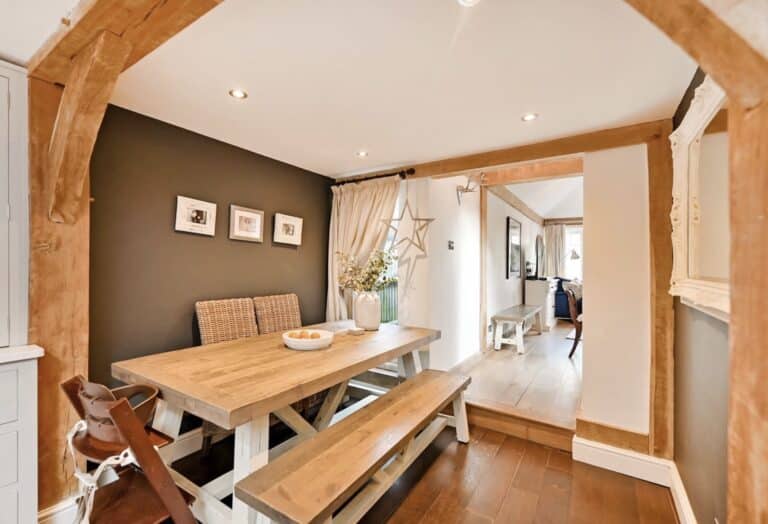
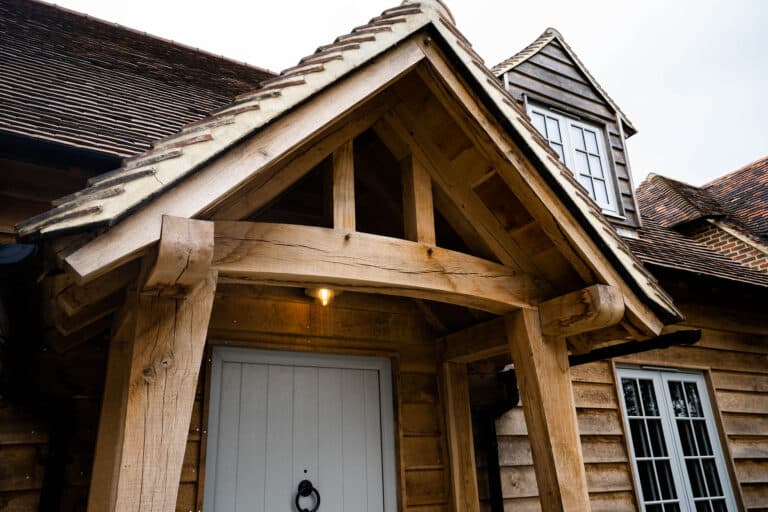
Picture a wet January morning. Rain taps on the roof, the wind is howling, and you are sitting in a warm, bright room at the bottom of your garden with a hot drink in your hand. It feels calm, cosy and a little bit magical. That is exactly what a well-planned garden room should offer, and it is the goal of every good garden room design and build project.
The problem is that many garden rooms only work in summer. They feel roasting in July and freezing in December, so they end up as expensive storage boxes. The good news is that this is avoidable. Companies such as Otyoak Homes show that with the right choices on insulation, glazing, ventilation, heating, lighting and layout, a garden room can be comfortable for twelve months of the year. This guide walks you through each of those choices in plain English.
Why Year-Round Comfort Starts With Good Planning
A garden room is not a shed with a nicer door. It is a small building that has to cope with rain, wind, frost, damp and summer sun, all while keeping you comfortable inside. If you want it to work in every season, you have to think about the whole building as one connected system.
Think of it like a warm coat. A thick coat is useless if the zip is broken, and a great zip does nothing if the fabric is thin. In the same way, brilliant insulation will not help if the windows leak heat, and a lovely heater will struggle if the room has no fresh air. Every part supports the others.
This is why the best garden rooms are planned from the inside out. Start with how you want to use the space, then choose the materials and systems that make that use comfortable. Let us begin with the most important question of all.
Start With Purpose Before You Pick Anything
Before you think about wall colours or door styles, ask yourself one simple question: what will I do in here?
A home office needs steady temperatures, plenty of daylight and good sockets for equipment. A gym needs strong ventilation, because you will be hot and sweaty. A yoga or wellness room needs a calm, quiet feel and gentle lighting. A guest room needs a proper heating and ventilation plan because people will sleep there. A play space for children needs safe surfaces and clear sightlines from the house.
Your answer shapes almost every other decision. A room used for two hours of exercise a day has very different heating needs from a room used for eight hours of remote work. Write your purpose down, and include a second use if you have one. Many people start with an office and later turn the room into a hobby space or a place for guests. Designing with some flexibility saves money later.
Layout: Making a Small Space Feel Big
Most garden rooms are between 10 and 30 square metres, so every centimetre counts. A smart layout makes a compact room feel spacious and easy to live in.
Think about zones. Even in a single room, you can create separate areas. One corner might hold a desk, another a sofa and a third some storage. Rugs, lighting and furniture placement can mark out each zone and make the room feel organised.
Position doors and windows with care. Large glazed doors facing the garden bring in light and connect the room to the outdoors. But think about where the furniture will go. A wall that is all glass leaves no space for shelves or a desk, so keep a solid wall where you need one.
Plan the storage early. Built-in shelving, window seats with storage underneath and tall cupboards keep the floor clear. A clutter-free floor is the quickest way to make a small room feel bigger.
Think about the route from the house. You will be walking to your garden room in all weathers. A paved path, a covered porch or a roof overhang makes those trips far nicer in winter.
Consider the ceiling height. A vaulted or higher ceiling adds a lovely sense of space, but a larger volume of air also takes more energy to heat. It is all about balance.
If you are still gathering ideas, this page of garden room design ideas for work, leisure and wellness shows how different layouts suit different lifestyles.
Insulation: The Secret to Staying Warm and Cool
If you only take one idea from this article, let it be this one. Insulation is the single biggest factor in whether a garden room works all year. It keeps heat in during winter and keeps heat out during summer. A poorly insulated room will never feel right, however much you spend on heaters or air conditioning.
Floor Insulation
Heat rises, but a cold floor still makes a room feel chilly. Your garden room should have an insulated floor sitting on a solid base, such as a concrete slab or a well-designed ground screw or pad system. Rigid insulation boards between the joists, plus a moisture barrier, stop cold and damp from creeping up from the ground.
Wall Insulation
Walls make up the largest surface area, so they need proper attention. High-performance rigid boards or quality mineral wool between the timber studs work very well. Many quality builders add an extra insulated layer on the inside or outside to reduce cold bridging. A cold bridge is a spot where heat escapes more easily, for example through the timber frame itself. Reducing these spots makes a real difference to comfort.
Roof Insulation
A great deal of heat is lost through the roof, and in summer a lot of heat comes in through it. Thick insulation, a reflective layer and a well-built roof structure keep the room stable in both seasons. Green roofs, which are covered in living plants, add even more natural insulation and look lovely from the house.
Airtightness and Damp Control
Insulation only works if the room is reasonably airtight. Gaps around doors, windows and joints let warm air escape and cold air in. Good builders seal these carefully and add a breathable membrane so the timber can dry out and never turns damp or mouldy. Damp is the enemy of every timber building, and a good design keeps water out while letting moisture vapour escape.
Glazing: Letting In the Light Without Losing the Heat
Glass is what makes a garden room feel special. It brings in daylight, frames the view of your garden and links the inside with the outside. But glass is also the weakest point for heat loss, so the choices you make here really matter.
Choose the Right Glass
Double glazing is the minimum for a year-round room. Triple glazing costs more but performs better in colder spots, and it also reduces noise. Look for glass with a low-emissivity coating, often called low-E glass. This thin coating reflects heat back into the room in winter and can reduce unwanted solar heat in summer.
Think About Frames
Frames matter as much as the glass. Aluminium frames look slim and modern, and good ones include a thermal break so they do not conduct cold. Timber frames are naturally insulating and give a warm, classic look. Whichever you pick, make sure the frames are well sealed and made to a high standard.
Watch the Sun
The direction your windows face changes everything. South-facing glass brings in lovely winter sunshine, but it can overheat the room in summer. North-facing glass gives soft, even light with less heat. If you want big sliding or bi-fold doors on a sunny side, plan for shading. A roof overhang, external blinds, a brise soleil or even a well-placed tree can stop the room turning into a greenhouse.
Balance Glass and Wall
It is tempting to fill every wall with glass, but a room that is all windows loses more heat and offers less privacy. A mix of large glazed sections and solid insulated walls is usually the smartest and most comfortable design.
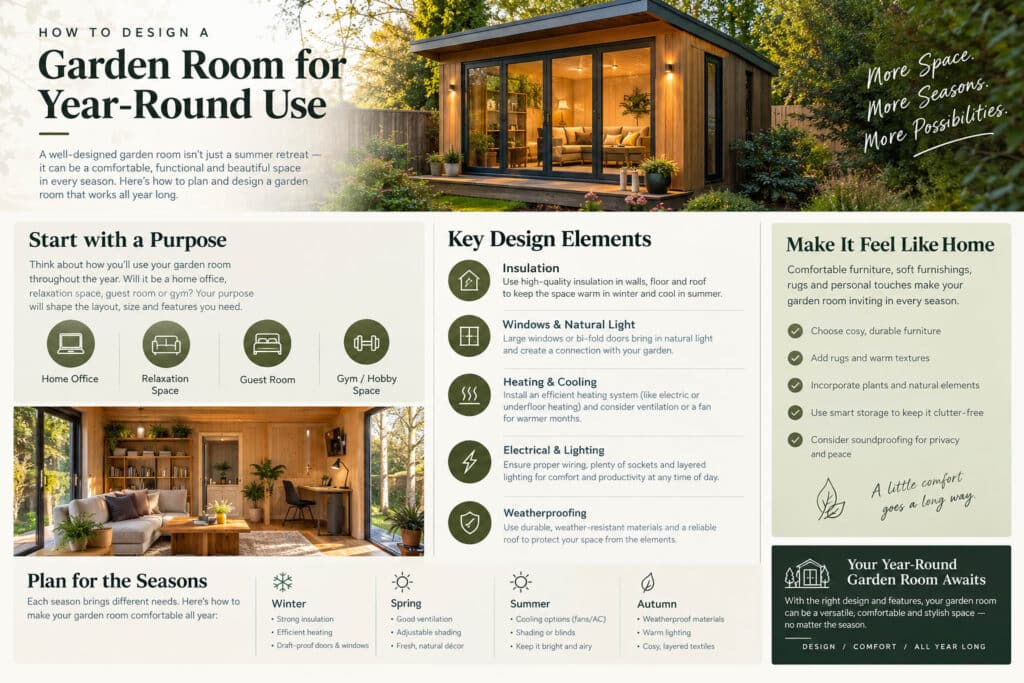
Ventilation: The Part Everyone Forgets
Here is a surprising fact. A very well-insulated, airtight room can feel stuffy and even grow damp if it has no proper ventilation. Fresh air matters for your health, your concentration and the life of the building.
Ventilation does three jobs. It removes stale air and carbon dioxide, so you stay alert. It removes moisture from breathing, drinks and damp coats, so mould cannot grow. It also helps cool the room in summer.
There are a few ways to achieve this:
- Openable windows and doors. Windows on opposite sides of the room let air flow straight through. This is called cross ventilation, and it costs nothing to run.
- Trickle vents. Small vents in the window frames give a gentle, constant flow of fresh air, even when the windows are shut.
- Extractor fans. These are useful in rooms with a small kitchenette or shower.
- Mechanical ventilation with heat recovery. In a highly insulated room, this system brings in fresh air while capturing the warmth from the outgoing air. It is a great choice for guest rooms and rooms used every day.
Do not treat ventilation as an afterthought. Plan it at the design stage, and your room will stay fresh and healthy through every season.
Heating and Cooling: Comfort at the Touch of a Button
Once the room is well insulated and glazed, the heating you need is surprisingly small. That is the reward for doing the hard work first.
Heating Options
Electric underfloor heating is a favourite because it gives even warmth and keeps the walls clear. It works under most floor finishes and feels wonderful on bare feet.
Electric panel heaters are simple, affordable and easy to control. They suit smaller rooms and occasional use.
Air source heat pumps and air conditioning units can both heat and cool. A small wall-mounted unit is efficient and gives you comfort in winter and summer. It is a smart choice if you will use the room daily.
Wood burners look beautiful, but they need a flue, a safe hearth and careful planning. In a small, well-insulated room they can quickly become too hot, so check the size is right and follow the safety rules.
Whatever you choose, think about controls. A thermostat with a timer or a smart app lets you warm the room before you walk in and saves energy when it is empty.
Staying Cool in Summer
Cooling starts with good design. Shading, insulation and cross ventilation do most of the work. If you need more, an air conditioning unit or a ceiling fan will keep the room pleasant on the hottest days. Light-coloured external finishes also reflect heat and help.
Lighting: Setting the Mood and Saving Energy
Lighting can change how a room feels more than almost anything else, and in winter, when the days are short, it matters even more.
Start with natural light. Large glazed doors, roof lights and high-level windows bring daylight deep into the room, which lifts your mood and cuts your electricity use. A roof light above a desk, for example, can make a work space feel bright and open.
Then build layers of artificial light:
- Ambient lighting gives the general glow. Recessed ceiling spotlights work well.
- Task lighting helps with specific jobs. Think of a desk lamp or under-shelf lights.
- Accent lighting adds atmosphere. Wall lights, LED strips and lamps make the space feel warm in the evening.
Choose warm white bulbs for relaxing spaces and cooler white bulbs for work areas. Use dimmers where you can, and pick LED fittings to keep running costs low. Do not forget outdoor lighting on the path and around the door, so the walk to your room feels safe after dark.
Why Timber and Craftsmanship Matter
The materials and the skill behind them decide how well your room performs for years to come. This is where timber garden rooms really shine.
Timber is a natural insulator, it feels warm and welcoming, and it is a renewable material. When it is properly treated and detailed, it lasts for decades. A well-built timber frame is also strong, light and quick to install, which means less disruption to your garden.
But build quality matters as much as the material. Look for a builder who uses properly dried timber, high-performance insulation, a robust damp-proof design and neat detailing at every joint. A trusted garden room builder will explain their construction method clearly and will not hide behind vague promises.
If you want a room that fits your home and lifestyle exactly, consider bespoke garden rooms. A bespoke design lets you choose the size, shape, materials, glazing and finishes, so the room suits your garden rather than forcing you to fit a standard model. At the higher end, luxury garden rooms add features such as premium glazing, hidden storage, fine joinery, integrated lighting and smart heating controls.
Seeing finished work is often the best way to judge quality, so take a look at the project portfolio and notice the detail in the joints, the glazing and the finishes.
Planning Permission, Power and Groundwork
A few practical points are worth checking early, because they can affect your design.
Many garden rooms fall under permitted development, which means you may not need planning permission. However, rules depend on the height, the distance from boundaries, how much of your garden the building covers and whether your home is in a conservation area or is a listed building. If the room will include sleeping accommodation, building regulations may apply too. Always check with your local council or ask your builder to guide you.
You will also need a safe electricity supply. This usually means an armoured cable run from your house to a small consumer unit in the garden room, fitted by a qualified electrician. If you want a kitchenette or shower, you will need water and drainage as well. Planning these early is far cheaper than adding them later.
Finally, think about the ground. Sloping gardens, tree roots and poor soil can all affect the foundation. A good builder will survey the site and pick the right base, so the room stays level and dry for its whole life.
A Simple Year-Round Checklist
Before you sign off your design, run through this quick list:
- Have you decided what the room will be used for, and does it have a backup use?
- Are the floor, walls and roof all well insulated, with a sealed and breathable build?
- Is the glazing double or triple, with low-E glass and good frames?
- Have you planned shading for the sunniest side?
- Is there a proper ventilation plan, not just one small window?
- Do you have efficient heating with smart controls?
- Are there layers of lighting inside and outside?
- Have you checked planning rules, power supply and groundwork?
If you can answer yes to all of these, you are well on your way to a room you will love in every season.
Conclusion: Build a Room You Will Love in Every Season
A garden room that works all year is not a matter of luck. It comes from careful planning, smart choices and skilled workmanship. Start with purpose, build a strong layout, invest in insulation and glazing, plan fresh air, choose efficient heating and layer your lighting. Do these things well, and your garden room design and build project will give you a warm, bright and inspiring space for many years.
Ready to turn your idea into a real room at the end of your garden? Get in touch with the Otyoak Homes team today and start planning a garden room you can enjoy every single day of the year.
Frequently Asked Questions
1. Can a garden room really be used all year round?
Yes. With good insulation, quality glazing, proper ventilation and efficient heating, a garden room can be comfortable in winter and summer. The key is to design these elements together rather than adding them one by one.
2. What is the most important part of a year-round garden room?
Insulation is the most important part. It controls how much heat stays in during winter and how much stays out during summer. Get this right, and everything else works better.
3. How much does garden room design and build cost?
The price depends on size, materials, glazing, finishes and the services you need, such as power and plumbing. A simple room costs far less than a fully bespoke design. The best approach is to share your needs and budget with a builder and ask for a clear, itemised quote.
4. Do I need planning permission for a garden room?
Often you do not, because many garden rooms fall under permitted development. But height, position, size and the type of property can change this. Always check with your local council before you build.
5. What is the best heating for a garden room?
Electric underfloor heating and air source heat pump units are popular choices. Underfloor heating gives even warmth, while a heat pump can both heat and cool. The best option depends on how often you use the room and how large it is.
6. How do I stop my garden room getting too hot in summer?
Use shading, good insulation, low-E glazing and cross ventilation. External blinds, a roof overhang and light-coloured finishes help a lot. For very hot days, a small air conditioning unit or ceiling fan gives extra comfort.
7. Will my garden room get damp or mouldy?
It should not if it is built well. A good design includes a damp-proof base, a moisture barrier, a breathable wall membrane and proper ventilation. Regular airing and sensible heating also keep damp away.
8. Are timber garden rooms good for winter?
Yes. Timber is a natural insulator, and a well-built timber frame with quality insulation stays warm and cosy through winter. Good treatment and detailing also help it last for decades.
9. What is the difference between standard and bespoke garden rooms?
A standard room comes in fixed sizes and layouts. A bespoke room is designed around your garden, your budget and your lifestyle, so you choose the shape, materials, glazing, storage and finishes. It usually fits better and feels more personal.
10. How long does it take to build a garden room?
Timing depends on the size and complexity, plus groundwork and any planning checks. Many timber projects are built in a matter of weeks once the design is agreed. Your builder can give you a clear timeline after a site visit.