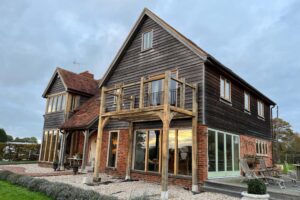
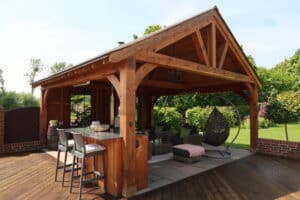
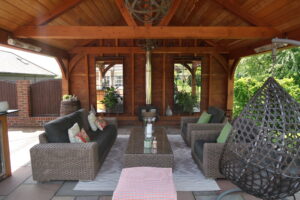
There is nothing quite like spending an evening outdoors with family and friends, good food on the table, laughter filling the air, and a comfortable space that makes everyone want to linger a little longer. For many homeowners, the missing piece that turns an ordinary garden into a true entertaining space is a well designed oak outdoor structure. Whether it is a covered dining area, a cosy seating spot, or a full garden room, oak brings warmth, character, and practicality to outdoor living in a way that few other materials can match.
In this blog, we are going to look at exactly how oak structures enhance outdoor entertaining areas, covering everything from covered dining and seating to lighting and year round usability. If you have been dreaming of a garden that works just as well in November as it does in July, you are in the right place. The team at OTY Oak Homes have helped many homeowners across the UK bring these ideas to life, creating outdoor spaces that feel like a natural extension of the home rather than an afterthought.
By the time you finish reading, you will have a clear picture of why oak has become such a popular choice for garden structures, and how the right design can completely transform the way you use your outdoor space.
Why Oak Works So Well Outdoors
Oak has been used in British buildings for centuries, and there is a good reason for that. It is strong, naturally resistant to decay, and it ages in a way that only adds to its charm. Unlike some materials that need constant upkeep to look presentable, oak develops a beautiful silvery patina over time if left untreated, or keeps its warm golden tone with occasional oiling.
For outdoor structures specifically, oak offers a rare combination of strength and beauty. It can support substantial roof spans without needing bulky supports, which means garden structures can feel open and spacious rather than cramped. At the same time, the natural texture and grain of the timber give every structure a handmade, characterful quality that manufactured materials simply cannot replicate.
Beyond the practical benefits, there is also something emotional about building with oak. It connects your outdoor space to a long tradition of British craftsmanship, and it tends to increase the value and appeal of a property, since bespoke outdoor structures are highly sought after by homeowners looking for something beyond a standard garden shed or flat pack gazebo.
Covered Entertaining, Rain or Shine
One of the biggest frustrations with British weather is trying to plan outdoor gatherings around it. A beautifully set table can be ruined by an unexpected shower, and even bright sunny days can become uncomfortable without proper shade. This is where covered oak outdoor structures genuinely change the game.
A well designed oak canopy or open sided garden room provides shelter without shutting you off from the garden itself. You get the best of both worlds, protection from the elements and an open, connected feeling with the outdoors. Guests can sit comfortably under cover while still enjoying the sound of birds, the smell of fresh cut grass, or the sight of a beautiful sunset.
Popular covered entertaining options include:
- Open sided oak framed pavilions, perfect for dining tables and larger gatherings
- Partially enclosed garden rooms with glazed sections for extra weather protection
- Simple oak canopies attached to the house, extending existing patio or decking areas
- Standalone garden structures positioned to make the most of views or sunlight
Each of these options can be tailored to suit the size of your garden and the way you like to entertain, whether that means hosting large family gatherings or enjoying quiet evenings with a small group of close friends.
Creating a Dedicated Dining Space Outdoors
There is something special about eating outside. Food tends to taste better, conversation flows more easily, and the whole experience feels more relaxed than a formal indoor dinner. A dedicated oak dining structure takes this experience to the next level by giving you a permanent, comfortable space designed specifically for outdoor meals.
Unlike a simple table and chairs left out on the patio, a proper oak dining structure provides shelter from sun and light rain, a defined sense of space that feels intentional rather than makeshift, and often built in features like benches, serving areas, or even an outdoor kitchen. This makes it far easier to host regular dinners, birthday celebrations, or relaxed weekend lunches without worrying about the weather forecast.
If your garden currently lacks a proper outdoor dining area, it is worth exploring how custom outdoor structures could be designed around your specific space and needs. Many homeowners find that once they have a proper covered dining area, they use their garden significantly more than they did before, simply because the space finally feels usable and welcoming throughout the year.
Seating Areas That Invite You to Relax
Not every outdoor gathering revolves around a formal meal. Sometimes what you really want is a comfortable spot to sit with a coffee in the morning or a glass of wine in the evening, chatting with family or simply enjoying a quiet moment outside. Oak outdoor seating structures are brilliant for creating exactly this kind of relaxed, inviting space.
Built in oak benches, snug seating nooks, and open sided seating pavilions all bring a sense of permanence and comfort to a garden that freestanding furniture often lacks. Because oak structures are built to measure, seating can be designed to fit your exact space perfectly, making the most of every corner rather than working around awkward gaps.
Popular seating structure ideas include:
- Built in oak benches with cushioned seating, positioned to catch the best afternoon sun
- Cosy seating nooks tucked beneath a sloped oak roof, ideal for reading or relaxing
- Wraparound seating within a larger entertaining structure, encouraging conversation and connection
- Fire pit seating areas framed by oak posts, perfect for cooler evenings
These kinds of spaces often become the most used part of a garden, precisely because they feel comfortable and considered rather than an afterthought squeezed in wherever there happens to be room.
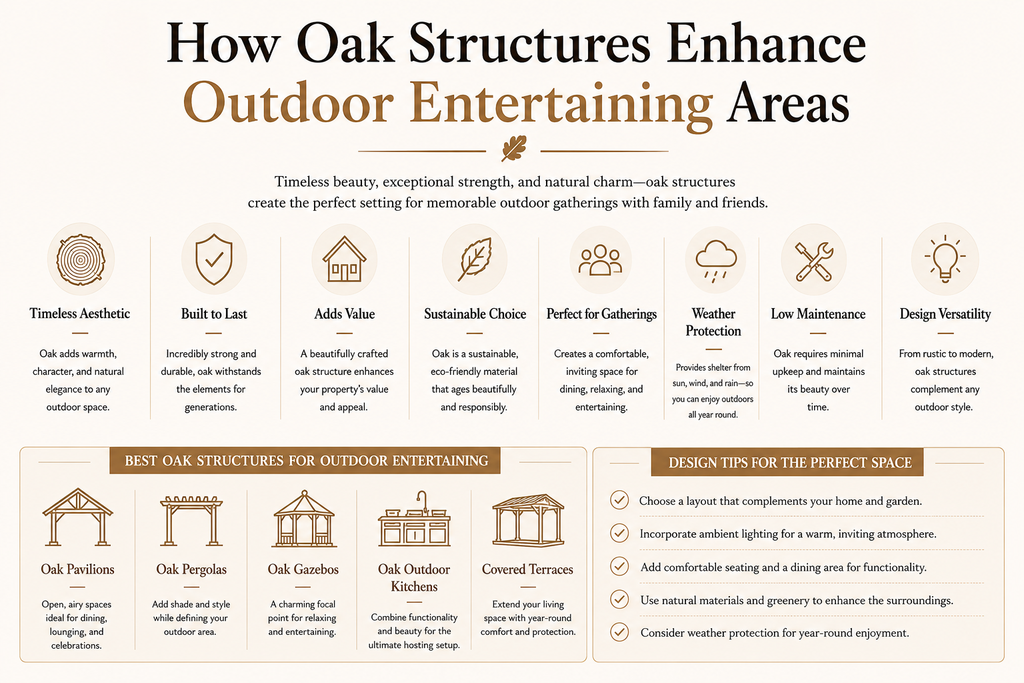
Lighting That Extends the Evening
Good lighting is often underestimated when planning outdoor entertaining spaces, yet it makes a huge difference to how a garden feels once the sun goes down. Oak structures provide a natural framework for incorporating lighting in a way that feels integrated rather than bolted on as an afterthought.
Exposed beams and posts offer perfect opportunities for string lighting, subtle downlighting, or even discreet spotlights that highlight the texture of the timber itself. Thoughtful lighting design can transform a simple oak structure into a genuinely magical space once evening arrives, extending the time you and your guests want to spend outdoors.
Some lighting approaches that work particularly well with oak structures include:
- Warm white string lights woven along exposed beams for a relaxed, welcoming atmosphere
- Discreet LED strip lighting recessed into structural timber for a modern, clean finish
- Pendant lighting hung from central beams over dining tables for focused illumination
- Uplighting on posts to highlight the natural grain and texture of the oak
Combining a few different lighting layers, rather than relying on a single bright source, tends to create the most flattering and enjoyable atmosphere for evening entertaining.
Designing for Year Round Usability
Perhaps the most valuable benefit of a well designed oak outdoor structure is that it extends genuine usability well beyond the handful of warm, dry evenings the British summer typically offers. With the right design choices, an oak garden structure can become a space you enjoy in every season, not just a fair weather feature that sits empty most of the year.
Key considerations for year round usability include proper roofing to handle rain and snow, sensible orientation to make the most of available sunlight and shelter from prevailing winds, and additional features like outdoor heaters or fire pits for cooler months. Some homeowners even choose partially enclosed designs with sliding or folding glazed panels, allowing the space to be fully open in summer and cosily enclosed during winter.
This kind of flexible, thoughtful design is exactly where working with an experienced garden structure builder pays off. Understanding how to balance openness with genuine weather protection is a skill that comes from real experience, and it is the difference between a structure that gets used constantly and one that becomes an occasional novelty. You can find detailed guidance on how these principles apply to specific projects by exploring this resource on oak frame extensions, which covers similar design considerations around blending indoor comfort with outdoor connection.
Beyond Entertaining, Multi Purpose Garden Structures
While this blog focuses primarily on entertaining areas, it is worth mentioning that oak garden structures rarely serve just one purpose. Many homeowners find that a well designed space doubles as somewhere to relax during the day and somewhere to entertain in the evening, offering genuine flexibility that justifies the investment many times over.
Some families use their oak structures as a quiet reading spot in the morning, a home office during the working week, and a dining space for weekend gatherings. If you are considering how a garden structure might serve multiple purposes throughout your week, it is worth reading this helpful guide on garden home office ideas, which explores how oak framed spaces can support both work and relaxation without compromising on either.
Real Examples Worth Exploring
Sometimes the best way to understand what is possible is to see real projects that other homeowners have completed. Every garden is different, and seeing a variety of finished oak structures can spark ideas you might not have considered for your own space. Taking a look through a portfolio of completed oak projects is a great way to get inspired, whether you are drawn to grand covered pavilions or simple, understated seating nooks.
Seeing how other homeowners have balanced size, style, and practicality often helps clarify what you actually want from your own outdoor entertaining space, making the design conversation with your chosen builder far more productive from the very start.
Practical Tips Before You Begin Your Project
If you are seriously considering adding an oak structure to your garden, a little preparation goes a long way. Here are some practical points worth thinking through before you start.
- Consider how you actually use your garden currently, and where the gaps or frustrations lie
- Think about orientation and sunlight patterns throughout the day and across the seasons
- Be realistic about your budget early on, and discuss priorities clearly with your builder
- Ask about maintenance requirements so you know what to expect over the years ahead
- Visit or view finished projects if possible to get a genuine feel for scale and finish
Taking the time to think through these details before design work begins tends to result in a smoother process and a finished structure that genuinely suits how you live.
Final Thoughts
A well designed oak outdoor structure can completely transform how you use your garden, turning it from an occasional summer feature into a genuine year round extension of your home. From covered dining and comfortable seating to thoughtful lighting and clever design for every season, oak brings a combination of beauty and practicality that few other materials can match.
If you are ready to start planning an outdoor entertaining space you will actually use, whatever the weather, get in touch with the team at OTY Oak Homes today and take the first step towards a garden built around real life and real enjoyment.
Frequently Asked Questions
1. How long do oak outdoor structures typically last?
With proper care, oak outdoor structures can last many decades, often outliving structures built from other materials thanks to the natural durability and strength of the timber.
2. Do oak garden structures need planning permission?
This depends on the size, location, and design of the structure. Smaller structures may fall under permitted development, while larger or more complex builds may require formal planning permission.
3. Can oak structures be used all year round, even in winter?
Yes, with thoughtful design choices such as proper roofing, sensible orientation, and features like heaters or partial enclosures, oak structures can be enjoyed comfortably throughout the year.
4. How much maintenance do oak outdoor structures require?
Oak is relatively low maintenance. Untreated oak weathers naturally to a silvery grey colour, while oiled oak needs occasional reapplication every couple of years to maintain its golden tone.
5. What is the difference between a garden room and an open oak pavilion?
A garden room is typically more enclosed, often with glazed walls or doors, offering greater weather protection. An open pavilion has a roof supported by posts but remains largely open to the garden.
6. Can lighting be built into an oak structure during construction?
Yes, and this is often the best approach. Wiring can be discreetly integrated into the timber frame during the build, resulting in a cleaner, more polished finish than adding lighting afterwards.
7. Are oak structures suitable for small gardens?
Absolutely. Oak structures can be designed to any scale, and a well proportioned smaller structure often makes a bigger impact on usability than an oversized one that overwhelms the space.
8. Can an oak structure include a kitchen or bar area for entertaining?
Yes, many homeowners choose to include built in kitchen or bar features within larger oak structures, creating a fully functional outdoor entertaining space.
9. How does oak compare to metal or composite garden structures?
Oak offers natural warmth, character, and durability that manufactured materials often struggle to replicate, though it does require more thoughtful design and occasional maintenance compared to some synthetic alternatives.
10. How do I get started with designing my own oak outdoor structure?
The best first step is speaking with an experienced garden structure builder who can assess your space, discuss your goals, and guide you through the design and planning process from start to finish.